Header 1

Header 1
All images below are clickable

Saturday, 20 January 2024

More Beardies


Tall reed beds are the Bearded Tits natural habitat.
They feed on reed seeds at this time of year and reed bed insects during the late Spring, Summer and Autumn. When eating seeds the bird uses grit to grind down the outer shell of the seeds. I have also observed them dropping down to the water level on occasions to drink. Bearded Tit numbers have increased over the years and their conservation status on the UK list is 'Green'.
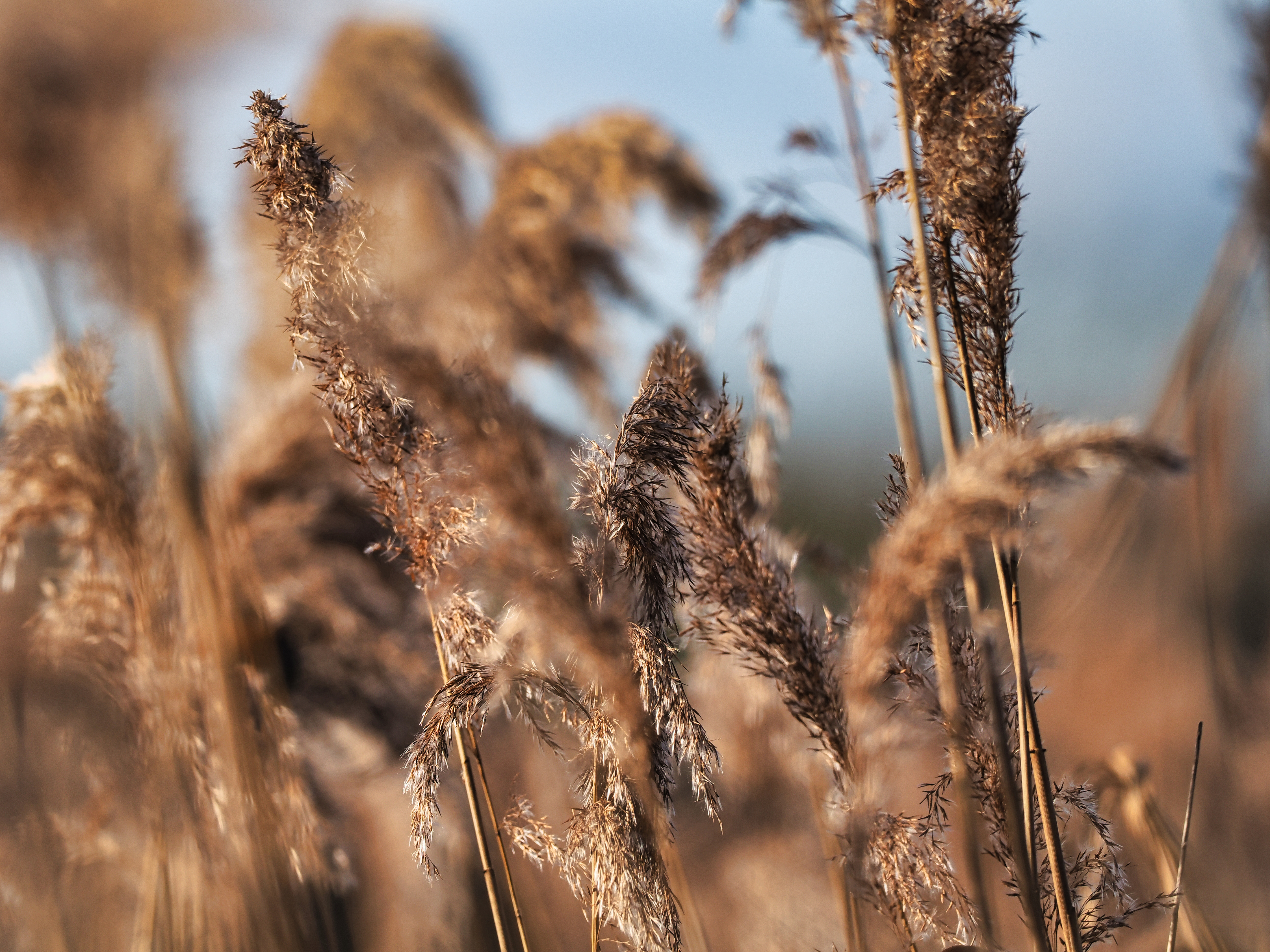

I am fortunate currently to live in an area where there is a large Reed Bed locally. 
That said, I can visit the location on a number of occasions and not see any of the species.
However there are other occasions when I can see them several days following. It is all a matter of luck really. January, February are usually good months to observe them.


Tuesday, 16 January 2024

Goldcrest Portfolio


The Goldcrest is one of UK's smallest birds along with the Firecrest.
It is a resident species and the Winter population is increased by numbers from Fennoscandia. (Scandinavia Finland and North Eastern Russia) 
That said, it is vulnerable to the cold weather and numbers fluctuate because of that.
Hopefully this bird I photographed will survive as we are experiencing quite a cold spell at the moment.
It was searching frantically for food and took no notice of me at that time, although I was some distance using a 600mm equivalent lens.
I was surprised to read that the female can lay up to 12 eggs in a brood.


Thursday, 11 January 2024

Beardies - That Time Again.

Female


Yes, it is that time again when we go in search of Winter Beardies.
January and February are good months to search for Bearded Tits (Reedlings) at Radipole Reserve Weymouth.

Unfortunately on this visit the Male was rather shy and hid away as much as possible.

Male