Header 1

Header 1
All images below are clickable

Saturday, 17 August 2024

A Surprise Alternative

 
This week I travelled 20 miles to the Bird Reserve at Arne.
My objective was to photograph that mythical bird the Dartford Warbler. 
It is certainly mythical to me as it is the one bird that resides locally in Dorset in some numbers that I have not seen. I am told by others that there are some 70 pairs on the Reserve.
I took advice from the Wardens about where to search, but unfortunately to no avail.


One thing that I did find, which I see quite regularly was the Grayling butterfly.

Not an easy species to see, but I can find it quite easily. If only the Dartford Warbler was so easy.


However fate didn't let me down completely as I was able to photograph something that I had never seen before.
I observed a car going very slowly and stopping along the narrow approach road to the Reserve. 
There was a good reason for that. 
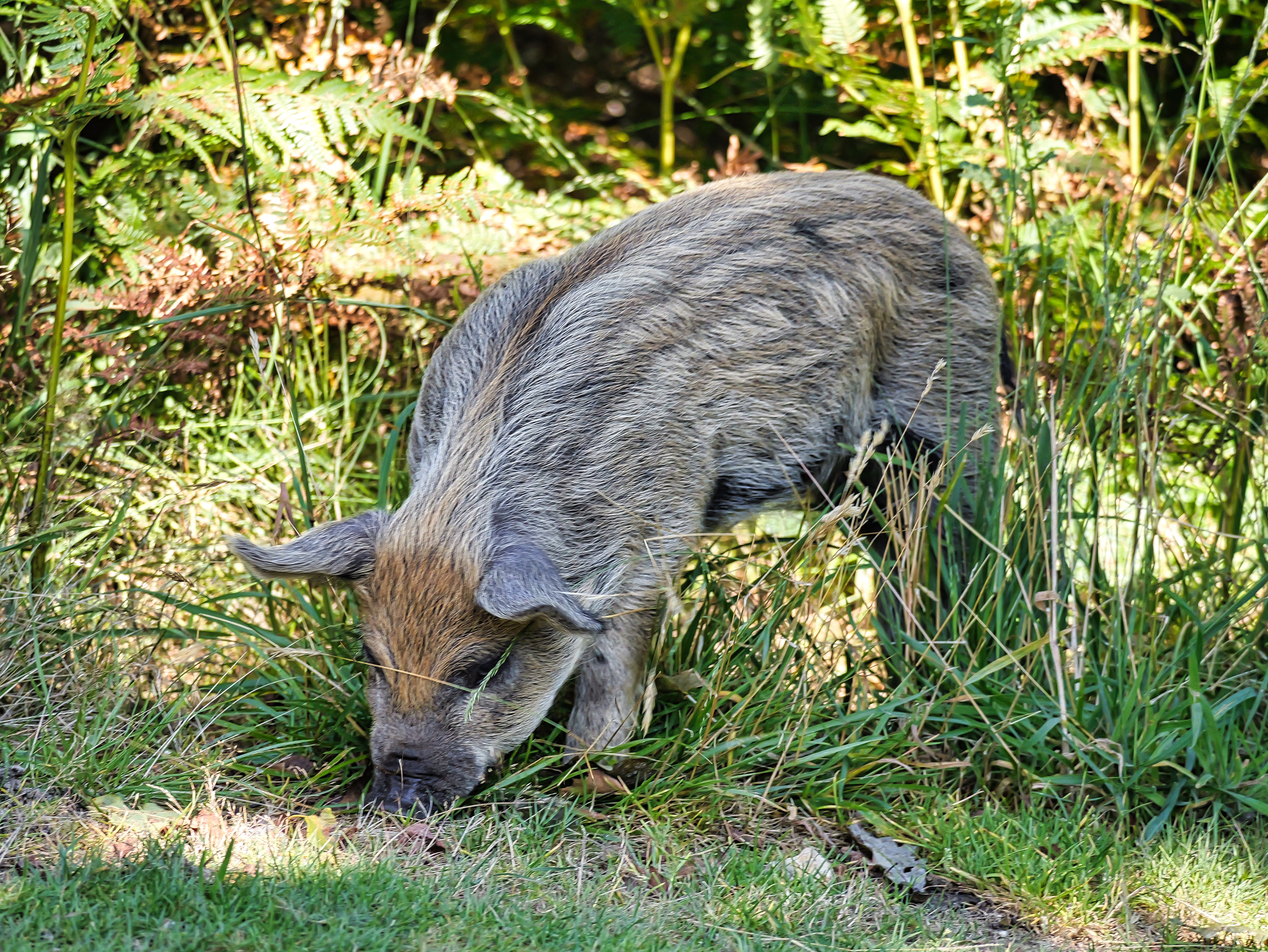
A Sow Wild Boar was stopping it and allowing her piglets to continue along that road and onto the Reserve.


A Wild Boar (with young) is best avoided.
Later as I was searching a woodland track I found the piglets feeding on grass etc.
The mother was not observed and I assumed she was laying in the bushes out of the sun. I took a few shots and made a 'tactical' retreat. 😎




Thursday, 15 August 2024

Speckled Wood - One of the Few

 Based solely on my sightings. The Butterfly season 2024 started with some promise as I was able to shoot some Orange Tip, but they then tailed off rather quickly.  Such distinguished species as the Duke of Burgundy, Lulworth Skipper and not so common Marsh Fritillary were also easy to find.  

Species that I observed few of or evaded my camera altogether were Painted Lady, Small Tortoiseshell, Peacock, Large and Small Skippers. There is still hope that I find some of these this year.

It could just be me of course?

What was dependable and in good numbers was the Speckled Wood. This species can be found from March through until October, two to three broods can occur during the year and it is also an overwinter resident species. There are a number of subspecies and not easy to spot the variance unless you have the book with you,

So I thought I would create a post to celebrate its continued appearance providing at least something in the butterfly World this year to shout about.


Thursday, 8 August 2024

Radipole and Lodmoor Visit

A combined walk around Radipole Lake and Lodmoor Reserve, Weymouth produced a few interesting images.

The first which is extremely rare this year. A brief view of only the second Peacock Butterfly I have seen. 
This is a resident species and normally, by now, I would be seeing many in number.


I think this is an Emerald Damselfly below and the only one I could find that day.


Thistle Head


An immature Moorhen.
 

Gatekeeper (Female)

I mentioned above the lack of Peacock butterflies this year. Coincidentally, the Red Admiral below which is mostly a migrant species is quite numerous.


Red Admiral

Always pleased to see the young House Sparrow as their numbers are in decline.


In recent years the Norfolk Hawker dragonfly has been observed at Radipole lake.
When I found some, I took the opportunity to shoot some flight shots.


Bristly Oxtongue

Young Mute Swans (in monochrome) practicing the wing beats that they will show for many years.


Green-veined White.

At Lodmoor the usual numbers of Little Egrets were in attendance.

This one was at Lunch when I called..


A Curlew dropped in while I was there, but remained at a considerable distance. 
This was shot at 800mm and cropped.


Another welcomed regular visitor was the Great White Egret, one of three.


Before the Curlew turned up there were eight Black-tailed Godwit, the first of many to commence overwintering at Lodmoor.


Again the Blackwits were at some distance. 
They probably wanted to preen and make themselves look presentable.